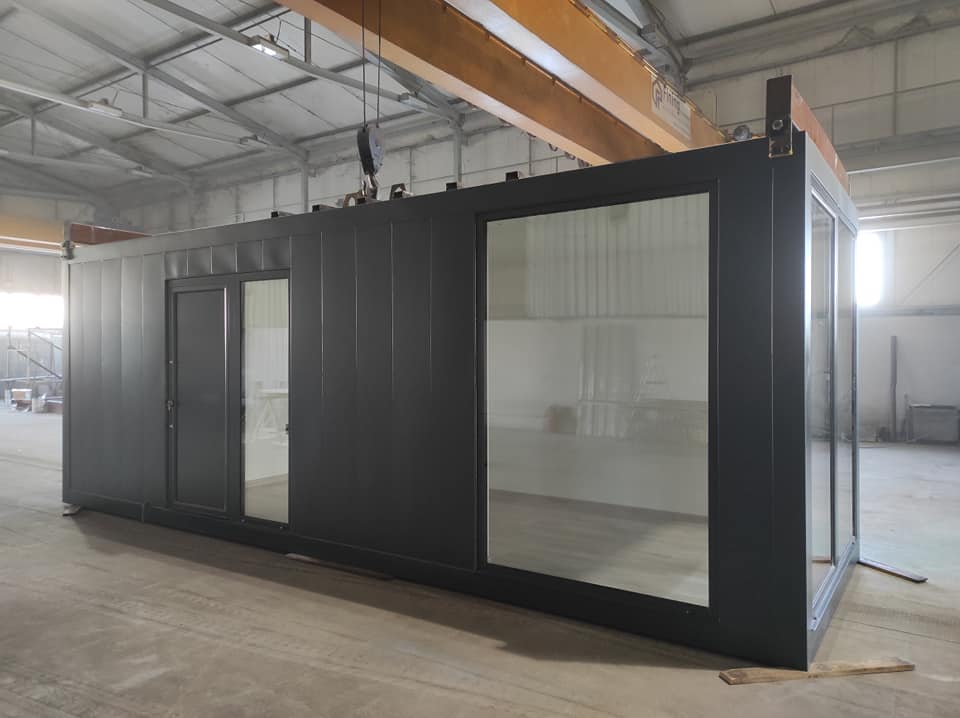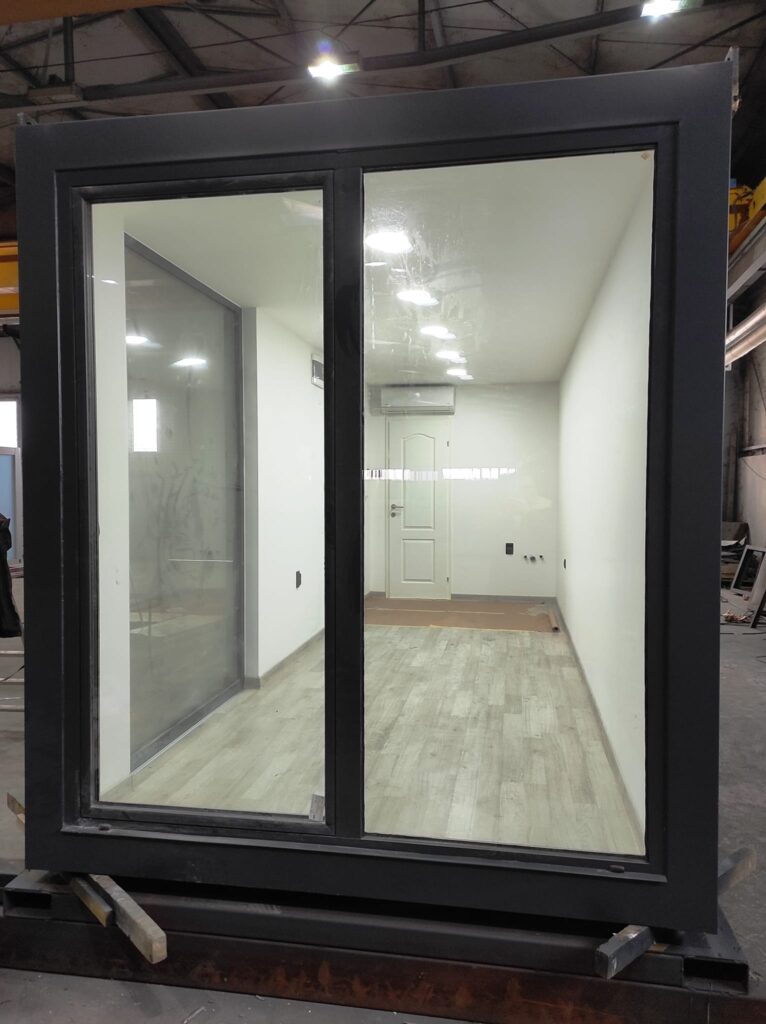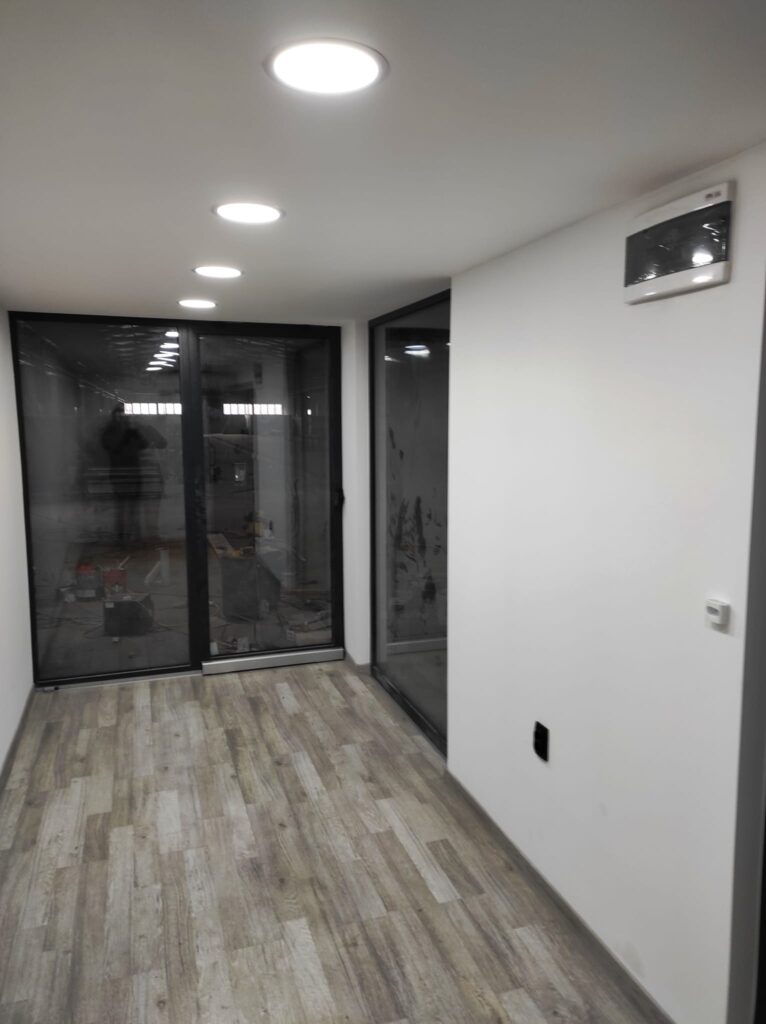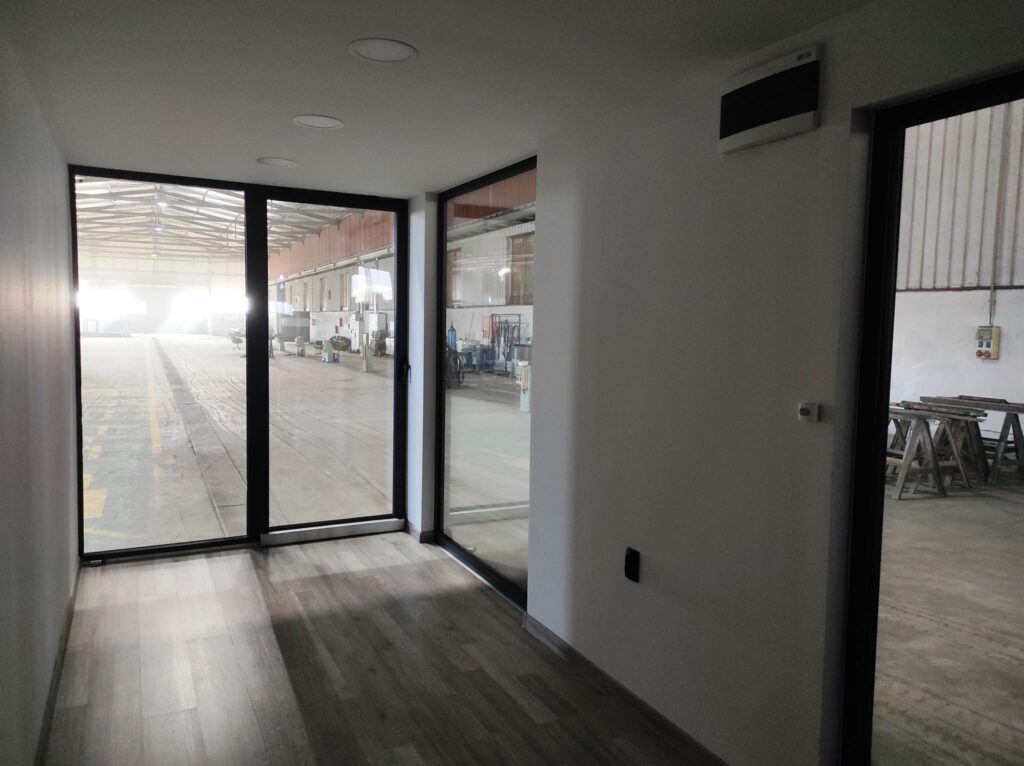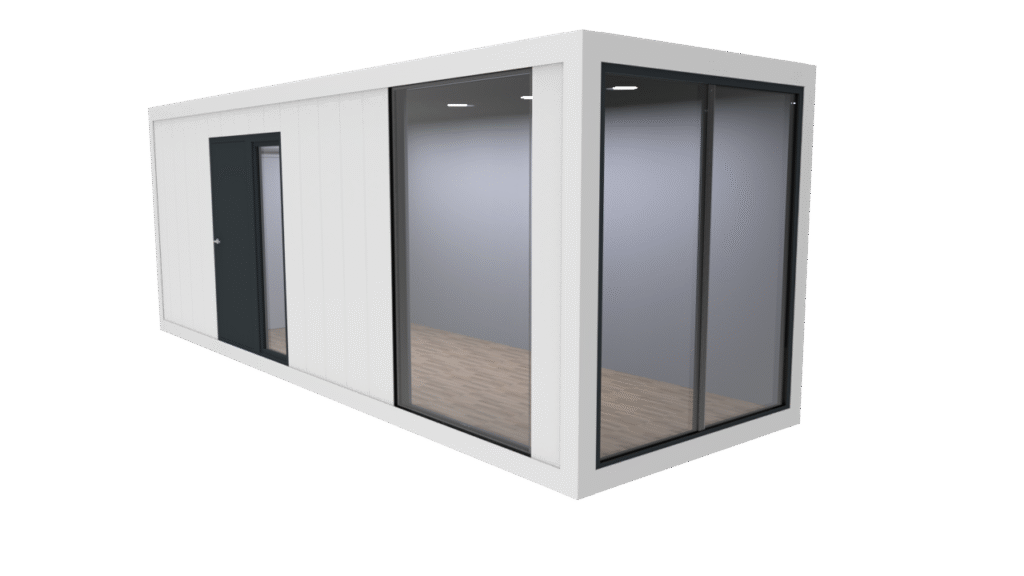
A tiny house container is a compact living space constructed from repurposed shipping containers. These innovative structures are gaining popularity due to their sustainability, affordability, and mobility, offering a unique solution for minimalistic living.
Key Features
- Construction Materials
- Shipping Containers: Typically made of steel, providing durability and strength.
- Insulation: Proper insulation is crucial for temperature control, often involving spray foam or rigid foam insulation.
- Design Variations
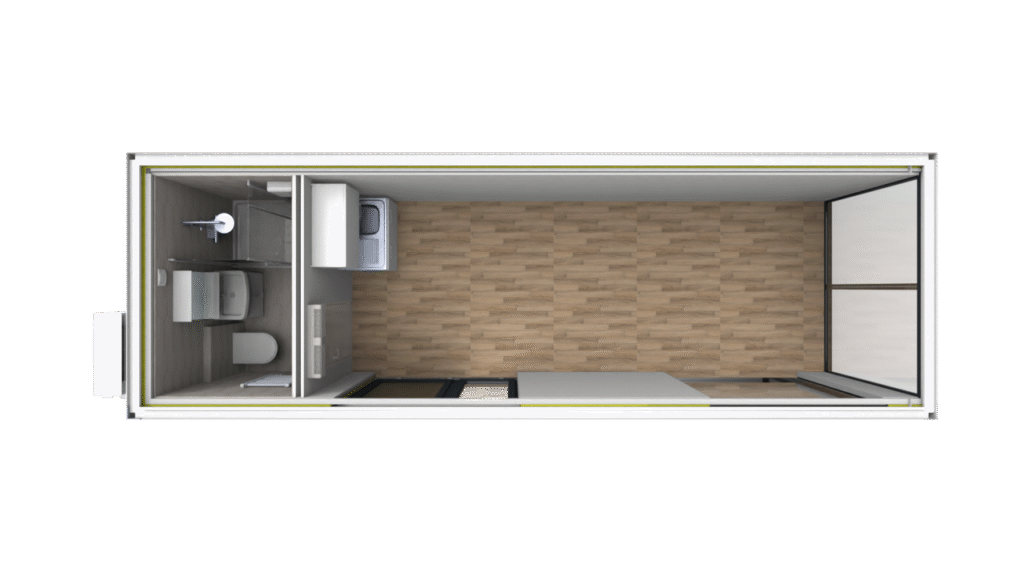
- Single Container: A basic design using one shipping container, often around 20 to 40 feet long.
- Multiple Containers: Combining several containers to create larger living spaces or multi-story designs.
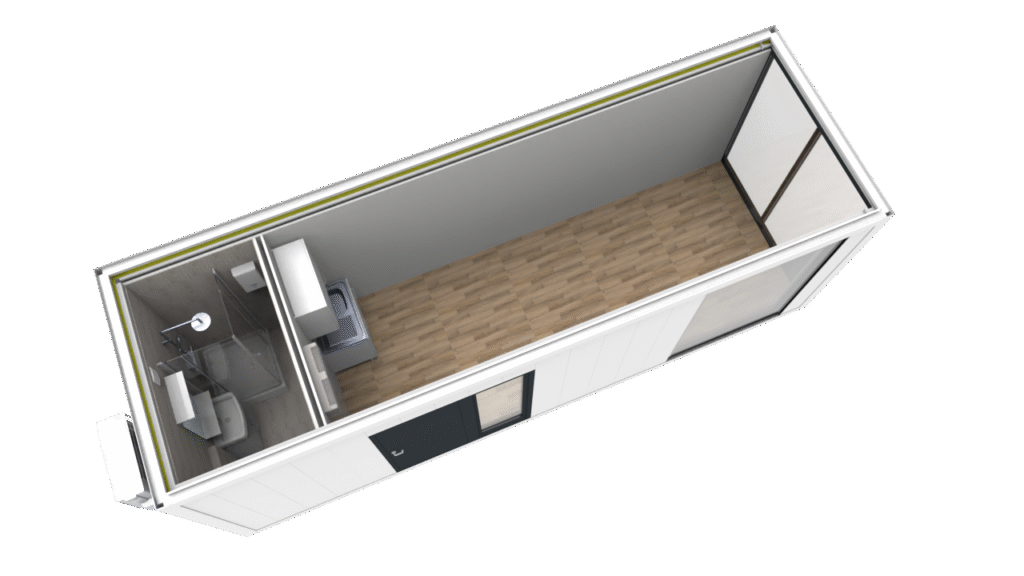
- Custom Layouts: Open floor plans that maximize space, often including lofted sleeping areas.
- Utilities
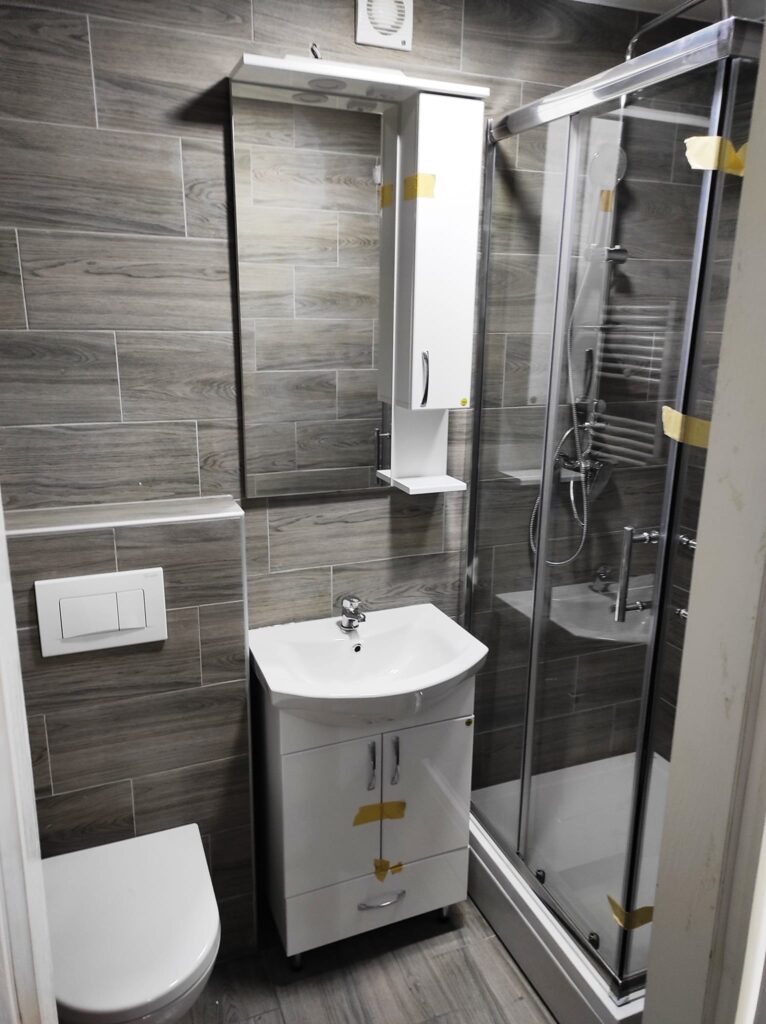
- Plumbing: Can be integrated for kitchens and bathrooms, requiring proper planning for drainage and water supply.
- Electrical Systems: Standard wiring can be installed to accommodate lighting, appliances, and HVAC systems.
- Solar Power: Many tiny house containers incorporate solar panels for energy efficiency.
- Mobility
- Transportable: Shipping containers can be moved easily, allowing for relocation without significant structural changes.
- Foundations: Can be placed on wheels or a fixed foundation, depending on local zoning laws and personal preference.
Advantages
- Sustainability: Repurposing shipping containers reduces waste and promotes recycling.
- Cost-Effective: Generally more affordable than traditional homes, especially in high-cost housing markets.
- Minimalism: Encourages a simpler lifestyle, focusing on essential living spaces and reducing clutter.
- Quick Construction: Often faster to build than conventional homes due to the pre-fabricated nature of containers.