
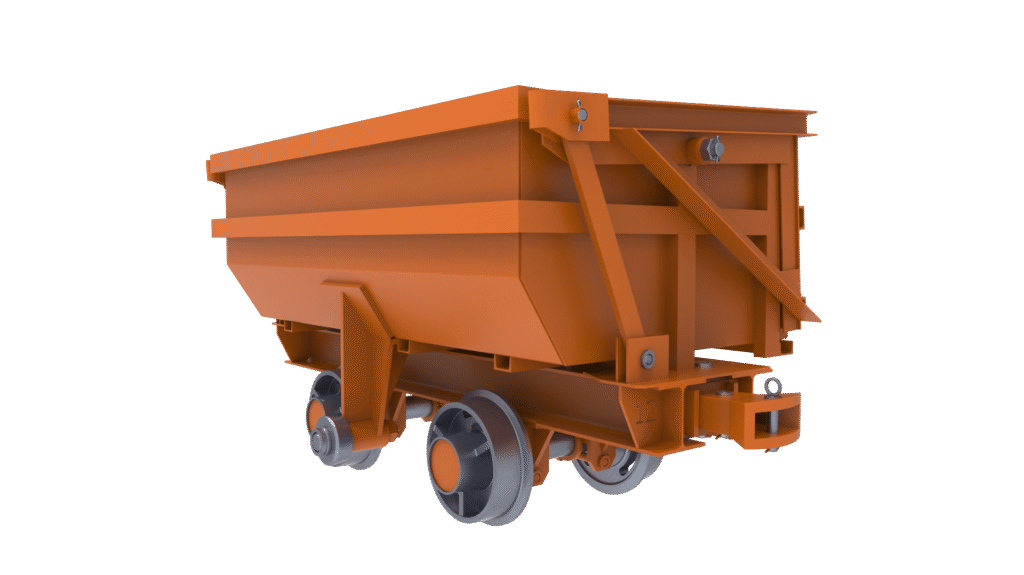
Mining carts, also known as ore carts or mine cars, are specialized vehicles designed for transporting materials such as ore, coal, and other minerals within mining operations. They play a crucial role in the efficiency and safety of mining processes.
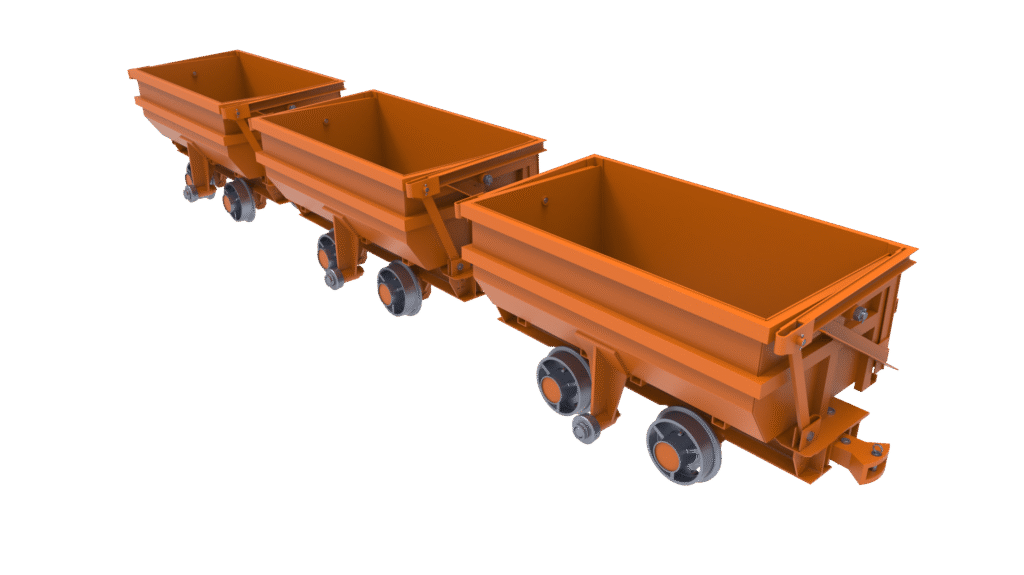
Key Features
- Construction Materials
- Metal Frame: Typically made from steel or other durable metals to withstand heavy loads and harsh conditions.
- Wheels: Heavy-duty wheels designed for stability and durability on tracks.
- Design Variations
- Types:
- Open-top Carts: Commonly used for loose materials like coal or gravel.
- Side-dump Carts: Designed to tilt for easy unloading of materials.
- Bottom-dump Carts: Allow for quick discharge of materials from the bottom.
- Capacity: Varies widely, from small carts holding a few hundred kilograms to larger ones capable of carrying several tons.
- Types:
- Track Systems
- Rail Systems: Most mining carts operate on narrow gauge tracks, which can be either permanent or temporary depending on the mining operation.
- Mobility: Some carts are equipped with pneumatic or hydraulic systems for easier maneuverability.
- Safety Features
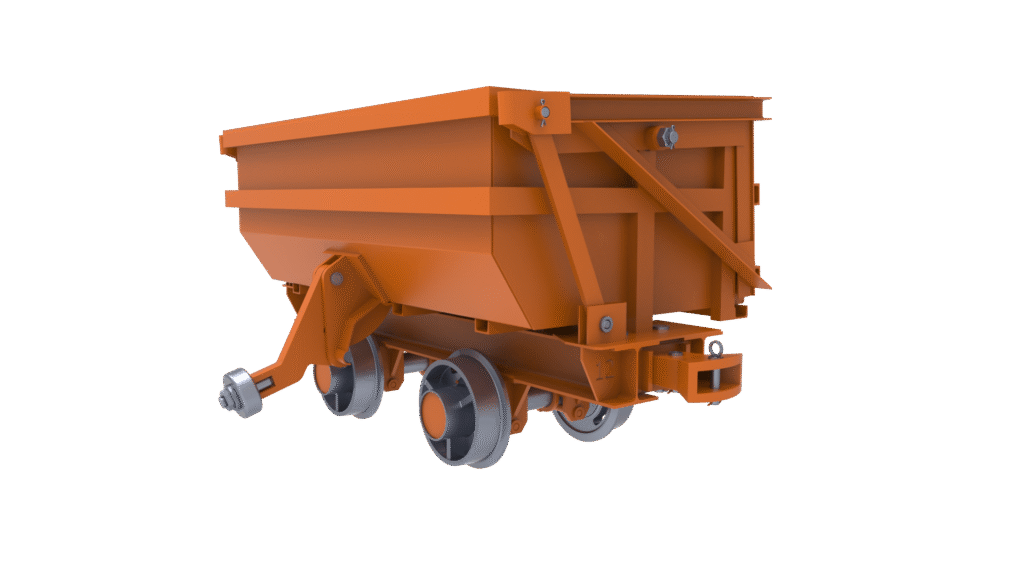
- Braking Systems: Essential for controlling speed and ensuring safety during transport.
- Safety Guards: Often include guards or covers to prevent spills and protect workers.
Applications
- Underground Mining: Transporting ore and waste rock from the mining site to surface facilities.
- Surface Mining: Moving materials from extraction points to processing areas.
- Construction: Occasionally used in related industries for transporting bulk materials.
Advantages
- Efficiency: Facilitates the quick and safe transport of materials over short distances within mines.
- Durability: Designed to withstand the harsh conditions of mining environments.
- Cost-Effective: Reduces labor costs by mechanizing the transport of heavy materials.