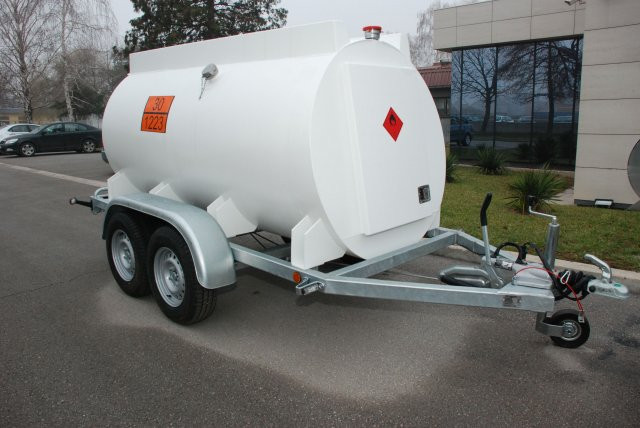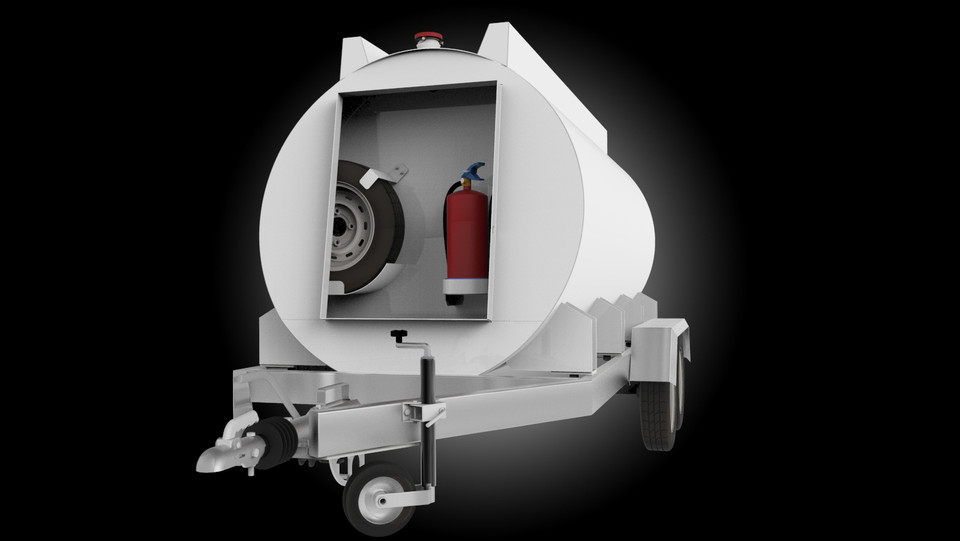
A mobile kerosene refueling station is a transportable facility designed to store and dispense kerosene fuel efficiently and safely. These stations are particularly useful in remote areas, emergency situations, and for specific industries such as aviation and agriculture.
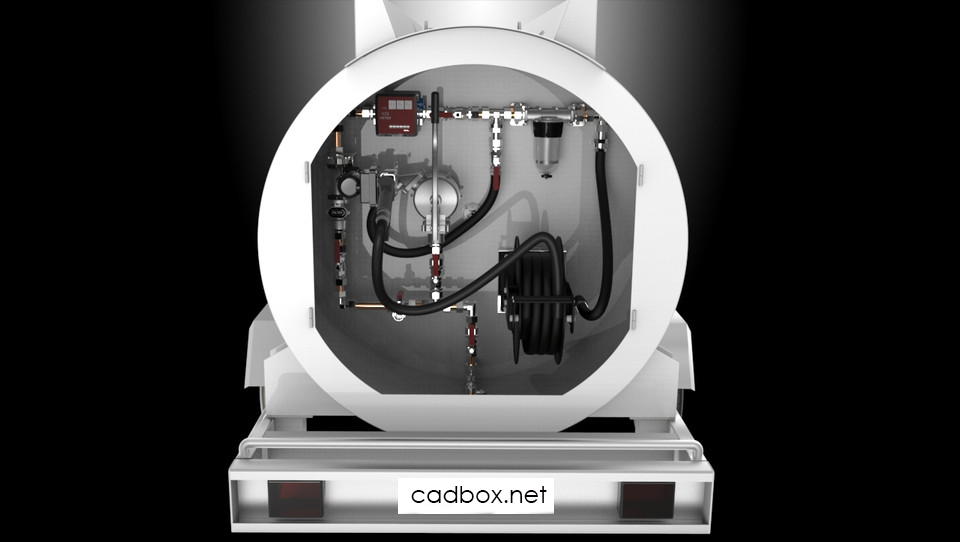
Key Features
Mobile Kerosene Refueling Station Advantages
- Design and Structure
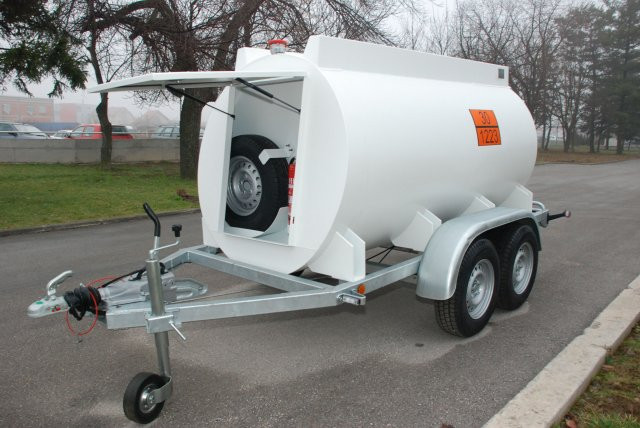
- Tank Capacity: Typically ranges from 500 to 2000 liters.
- Mobility: Mounted on trucks or trailers for easy transport.
- Material: Constructed with corrosion-resistant materials to ensure durability.
- Fuel Dispensing System
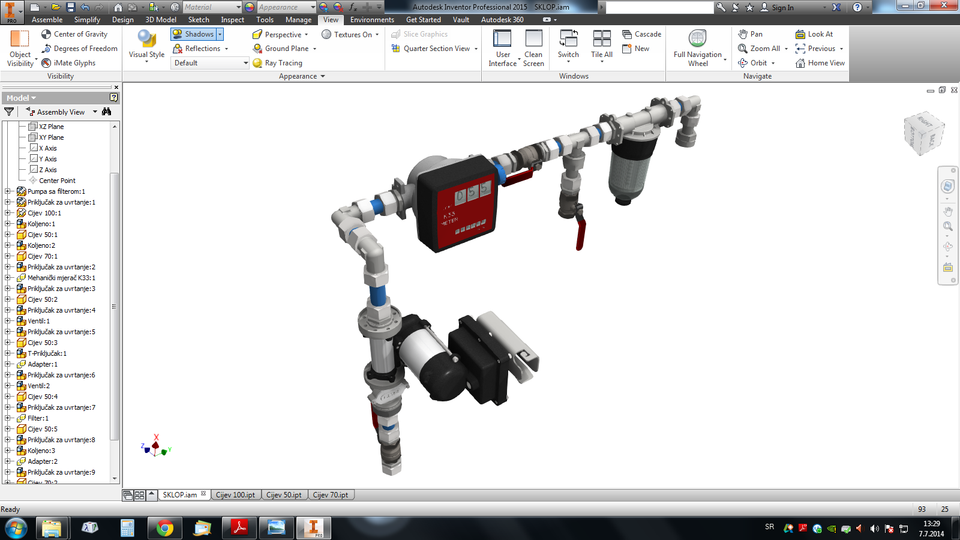
- Pump Type: Electric or manual pumps with flow rates between 5 to 20 liters per minute.
- Metering: Digital meters for accurate fuel measurement.
- Hoses and Nozzles: High-pressure hoses with safety nozzles to prevent spills.
- Safety Features
- Fire Suppression System: Automatic fire extinguishing systems (e.g., AFFF).
- Grounding: Essential grounding systems to prevent static discharge.
- Vapor Recovery: Systems to capture vapors during refueling.
- Control and Monitoring
- Remote Monitoring: IoT-enabled sensors for tracking fuel levels and operational status.
- GPS Tracking: For route optimization and fleet management.
- Emergency Shutoff: Quick access shutoff valves for safety.
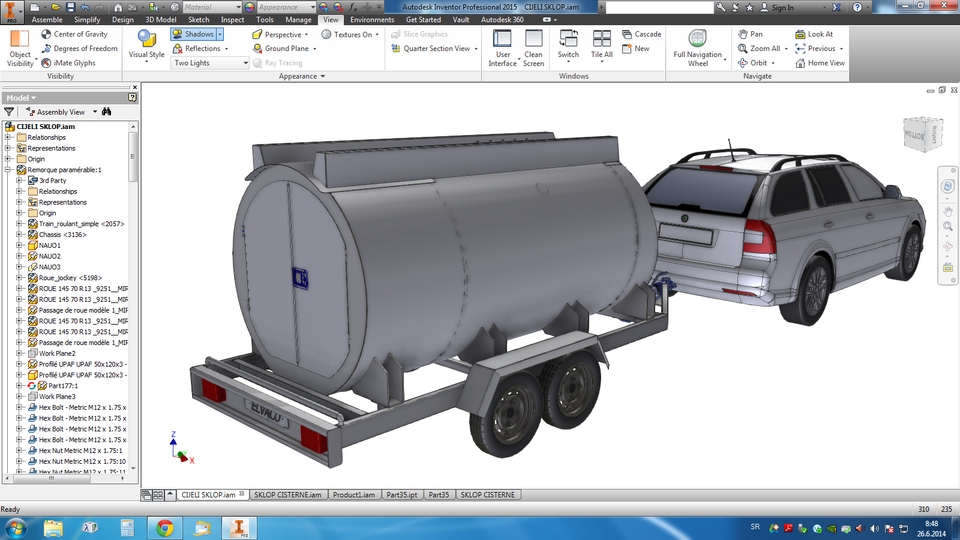
Applications
- Aviation: Refueling helicopters and small aircraft in remote locations.
- Military: Support for operations in the field where traditional refueling infrastructure is unavailable.
- Mining and Construction: Providing fuel for machinery and equipment in hard-to-reach areas.
- Disaster Relief: Rapid deployment in areas affected by natural disasters.
Regulatory Considerations
- Compliance: Must adhere to local and international regulations regarding fuel storage and transportation (e.g., UN/DOT regulations).
- Environmental Protection: Implement spill containment measures and proper waste disposal procedures.